Cursor Launches AI Coding Tool for Designers — A Game Changer for Design-Driven Development in 2026
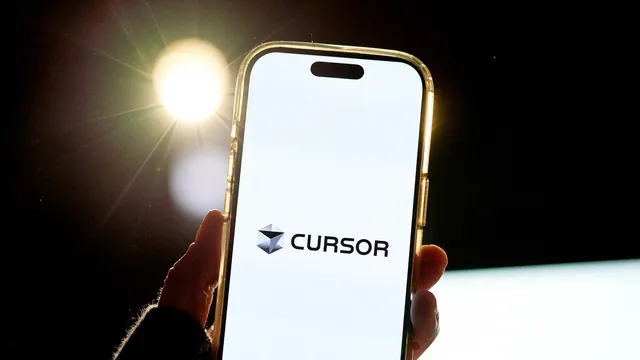
The world of software development is rapidly evolving — and the latest innovation comes from Cursor, a leading AI-powered coding platform that just launched a new AI coding tool aimed specifically at designers. This move marks a major milestone in the convergence of design and programming, making it easier than ever for creative professionals to bring ideas to life without deep coding expertise.
What Is Cursor’s New AI Design Tool?
Cursor’s latest innovation is an AI-driven Visual Editor and design-focused coding interface that:
Lets designers describe UI changes in natural language
Converts those prompts into working code in real time
Combines a visual interface with generative AI to edit layouts, styles, and components
Bridges the gap between design tools and code workflows
Essentially, it allows designers to design AND generate code simultaneously without needing to switch back and forth between tools like Figma and traditional IDEs.
Why This Matters for Designers and Developers
Traditionally, designers had to:
Create mockups in tools like Figma
Hand off specs to developers
Wait for code implementation and revisions
Now, with Cursor Launched AI Coding Tool for Designers :
Designers can directly describe visual changes and see corresponding code.
Developers can skip repetitive frontend tasks and focus on business logic.
Teams enjoy faster iterations from concept to deployment.
This shift is particularly significant as vibe coding and AI-assisted development continue to reshape how digital products are built.
Key Features of Cursor’s AI Design Tool
Here’s what stands out:
Natural Language UI Editing — Designers can simply tell the AI what they want.
Visual Drag-and-Drop With AI Suggestions — Like traditional design tools but backed by AI automation.
Seamless Code Integration — Edits made visually translate into clean, production-ready code.
Instant Feedback Loop — Designers and developers collaborate with fewer bottlenecks.
This design-to-code workflow removes traditional barriers and opens new creativity frontiers — particularly useful for startups and smaller teams with limited engineering resources.
SEO & Trend Potential
This topic ranks high for search intent related to:
AI tools for no-code/low-code development
AI for designers
Visual coding assistants
Future of design and development workflows
Final Thoughts
Cursor’s AI coding tool for designers isn’t just a feature update — it represents a pivotal shift toward democratizing software creation. By empowering designers to take part in the code creation process, Cursor is helping close the gap between creative vision and functional software.
Subscribe to our newsletter
& plug into
the world of technology